
By Greg Zyla —
NASCAR’s for 2026
Since I usually do a column dedicated to NASCAR at this time every year, here is a quick rundown of what’s new for 2026. Finally, NASCAR is slowly changing the idiotic playoff format to something much better. Now, they need to get rid of the equally stupid overtime rule, which I’ve written about numerous times in the past.
The 2026 NASCAR season brings format changes designed to enhance competition and safety across all major series. The Chase playoff format returns in new form, featuring a 10-race postseason without eliminations. Sixteen drivers will qualify based on points, and race wins now award 55 points instead of 40, emphasizing aggressive racing.
Technical updates include a 750-horsepower package for short tracks, a three-inch rear spoiler, and mandatory A-post flaps at all tracks to reduce liftoff risk.
Competition adjustments include a revised fastest lap bonus rule—cars entering the garage mid-race lose eligibility—and standardized lug nut penalties. Driver age limits have shifted: 17 for O’Reilly Auto Parts Series (formerly Xfinity) for short tracks and road courses, while Cup remains at 18 years of age. Cup drivers are barred from the last eight or nine lower-series races but may run the regular-season finale. (I don’t like this one; let the O’Riley cars run for the championship without any Cup drivers.)
Finally, NASCAR introduced provisionals for new OEMs, granting up to four extra starting spots for their first three races to ease integration. These cars earn points but no prize money. Something must be brewing with a new manufacturer joining the fray.
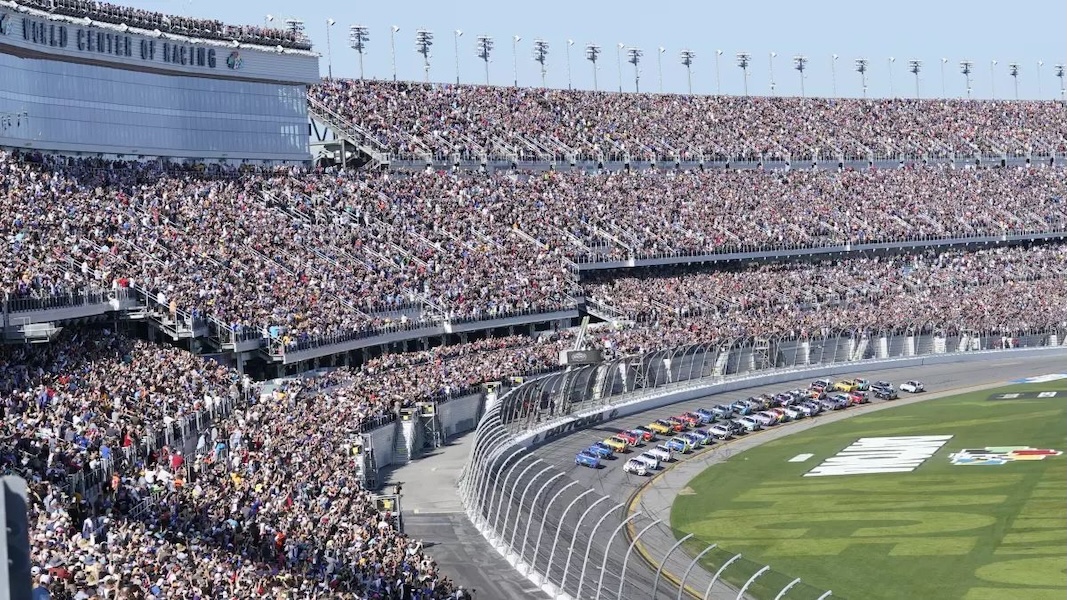
The 2026 NASCAR season kicks off with the Daytona 500 in February, and this time, the teams own their charters.
Charters and Steve Phelps: Resignation or Push-Out?
Once NASCAR realized they were going to lose the charter litigation, they quickly rearranged the charters, and now the teams do own their own. (something I’ve called for since 2016). As for NASCAR head Steve Phelps, he announced his resignation, effective at the end of January, but reports suggest it wasn’t entirely voluntary. His departure followed an antitrust lawsuit and leaked texts containing derogatory remarks about team owner Richard Childress being a ‘hillbilly.’ While NASCAR framed it as a personal decision, insiders indicate that mounting pressure and reputational damage made his exit inevitable, a strategic move to stabilize leadership and a move NASCAR had to make.
Why Isn’t Smokey Yunick in the Hall of Fame?
Despite being one of NASCAR’s most influential innovators and a former close ally when we both worked for Circle Track Magazine in the 1980s and worked together for Performance Racing Industry for over 30 years. We became friends during those years, and my job at the PRI yearly shows was to drive him around the show on a golf cart, an honor for sure.
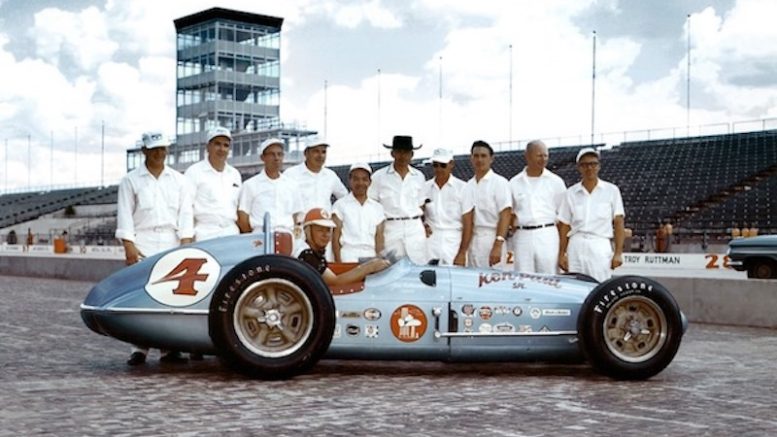
However, some might not know that Smokey loved the Indy 500 as much or more than NASCAR. Specifically, he led the Ken-Paul Special team that won the Indianapolis 500 in 1960. That victory came with driver Jim Rathmann, who piloted the Watson-Offy roadster to the win. Yunick’s role was pivotal as a mechanic and innovator, and this partnership marked his most significant success at Indy. Many feel Smokey did not receive the kudos that chief mechanics received back then, but he was indeed a chief mechanic on that car.
Over in NASCAR, Smokey was one of the original stars of the sport. His wins in NASCAR with drivers like Herb Thomas, Marshall Teague and Tim Flock in those early 1950-decade Fabulous Hudson Hornets to later stars like Fireball Roberts. Paul Goldsmith and Curtis Turner were dominant. Smokey’s engineering wizardry and winning cars makes one wonder why a legend like Smokey Yunick remains excluded from the Hall of Fame.
The reason for this aggressive omission is largely political, as Yunick had a long history of disagreements with NASCAR corporate, predominantly Big Bill France, NASCAR’s founder. And then more disagreements with others in the France family, too. Anyone who knew Smokey, who passed away in 2001, knew he was outspoken about rules issues. His reputation as a “rule-bender” and his contentious relationship with officials overshadowed his achievements, even though he won two NASCAR championships as a crew chief and earned multiple “Mechanic of the Year” honors. Many fans and insiders view his omission as NASCAR’s biggest mistake and snub, sparking ongoing campaigns for his induction.
I’m still one of those who feel Smokey belongs, period.
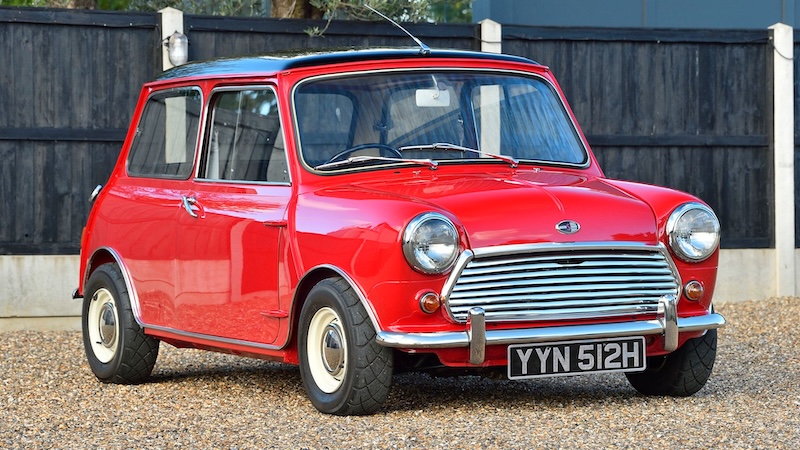
The original Minis were built by Sir Alec Issigonis and appeared in 1959. Many other manufacturers became involved, including British Leyland, as the years went on.
What happened to British Leyland?
Q: Greg, I own a 2005 Mini Cooper, and still love it. It is the best handling car I have ever owned. How did the Mini begin, and which car company built it as I’m told BMW was not the original owner of the Cooper in the Sixties. I read your columns in the Westerly Sun. Thanks, Jim from Connecticut.
A: Jim, the first Mini Cooper was designed by Sir Alec Issigonis, a brilliant British engineer working for the British Motor Corporation (BMC). Issigonis created the original Mini in response to the fuel shortages caused by the 1956 Suez Crisis, aiming to produce a small, fuel-efficient car that could comfortably seat four adults. His revolutionary design featured a transverse engine layout and front-wheel drive, which maximized interior space and gave the car its famous go-kart-like handling.
The Mini was launched in August 1959, and later, motorsport pioneer John Cooper collaborated with Issigonis to develop the high-performance Mini Cooper variant, which became a rally legend.
British Motor Corporation (BMC) would one day become British Leyland, parent of Jaguar before Ford became the parent company. BMC was the largest British car company of its day, and in 1952, some 40-percent of British output came from BMC, including winners like Austin, Morris, MG (Morris Garage), and my personal favorite, the Austin-Healey 3000.
Coopers are indeed clever little cars and always did well on the SCCA road course race tracks, where their excellent weight to power ratio allowed them to beat some bigger, more powerful competition on the tighter, smaller road courses.
Leyland dropped the Mini in 1971, and the car was built by a list of successors, including Rover. In 1994, BMW took control of the Rover Group, which included the Mini, and in 2001, BMW reintroduced the MINI Cooper to a thrilled and awaiting U.S. market.
Today, the MINI Cooper lives under BMW’s watchful eye, which is all for the better. Thanks for your letter, Jim.
(Greg Zyla is a syndicated auto columnist who welcomes reader input on collector cars, auto nostalgia, and motorsports. Write to him at extramile_2000@yahoo.com.)

Be the first to comment on "Collector Car / Cars We Remember: NASCAR’s New Rules, Leadership Shake-Up, and the Smokey Yunick snub continue"